
Tag: College Basketball
The Life and Times of John Thompson
by The Cowl Editor on October 29, 2020
Sports
Looking Back on One of College Basketball’s Legends
by Leo Hainline ’22
Sports Staff
Legendary coach and former Friar John Thompson ’64 passed away in late August at the age of 78, leaving behind an unparalleled legacy.
Thompson was a pioneer in the game of basketball. He was the first African American to lead his team to an NCAA Tournament Championship, which he did in 1984 with Georgetown University. During his time coaching the Hoyas, Thompson completely altered the college basketball landscape. He helped the Big East become the most renowned basketball conference in the country. His passing is felt not just by Providence College and Georgetown University, but by the entire college basketball world. The passion Thompson brought in both helping his team succeed on the court and in helping his players succeed off the court is one of the greatest examples of embodying the Friar Family mantra.
Thompson grew up in Washington, D.C., where he was a standout basketball player for Archbishop Carroll High School. He would lead the team to three consecutive city championships. During his college career, Thompson was a star for the Friars, scoring 1,520 points and grabbing 1,061 rebounds in his four years. The big man led PC to the National Invitational Tournament title in 1963, and, as a senior, he was a First-Team All-American. He also helped bring the program to its first ever NCAA Tournament appearance. Thompson was drafted by the Boston Celtics, allowing him to play alongside the legendary Bill Russell. He won two NBA titles in his two-year NBA career.
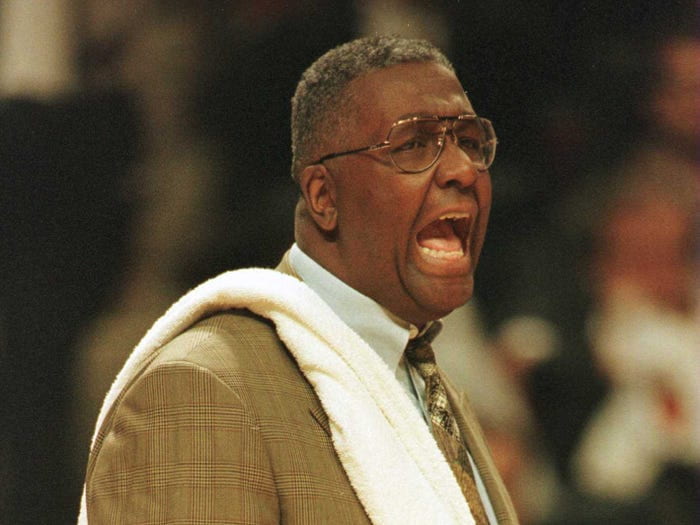
Following his playing career, Thompson returned to D.C. to become the head coach of the men’s basketball team and a guidance counselor at St. Anthony’s High School. Georgetown noticed his local success and hired Thompson as their head coach in 1972. He inherited a team that went 3-23 before his arrival. In just a few short years, he would drastically improve the program, making the Hoyas regulars in the NCAA Tournament.
Thompson changed the culture at Georgetown, as he built the program around relentless defending. He made sure his players gave it their all—both on the court and in the classroom. Thompson once famously said, “I don’t coach their team. They play on my team.” This philosophy turned Georgetown into one of the most dominant programs in the country.
Georgetown reached new heights in the early ’80s when Thompson was able to land the most sought-after recruit in the sport, Patrick Ewing. With the 7-footer protecting the paint, the Hoyas became a perennial powerhouse while elevating the standing of the Big East. In Ewing’s first year as a Hoya, the program fell just short of winning the NCAA title. They lost by one point to a Michael Jordan-led University of North Carolina team in what many consider to be an all-time classic.
Two years later, Georgetown was crowned the NCAA champion after defeating the University of Houston in the finals. After the game, when asked about being the first Black coach to win the NCAA title, Thompson responded, “I’m not interested in being the first or only Black doing anything because it implies that in 1984, a Black man finally became intelligent enough to win the NCAA title, and that’s a very misleading thing.” Thompson believed that any Black person could have achieved what he did if they were just given the chance. He also asserted that the most important part of Georgetown’s win was bringing a championship to the Mid-Atlantic region, which had not had a team win the NCAA Tournament in 30 years.
Under Thompson, Georgetown became known as one of the most aggressive, physical, and toughest teams in the country. They took pressure defense to a whole new level and set the tone for the rest of the Big East, which soon became known as the most physical conference in college basketball. Some loved them, some hated them, but Thompson’s team was unquestionably built differently than any other team in college hoops. They were everyone’s rival: everyone wanted to beat Georgetown.
Thompson was at the head of a trend that saw Big East coaches become not just coaches, but also important figures in popular culture. Thompson was passionate and vocal while coaching, and standing at 6 feet 10 inches, his presence was always felt, regardless of whether spectators were in the arena or watching the game at home. He was one of the original, great coaches of the conference, along with the likes of Jim Boeheim at Syracuse University, Rollie Massimino at Villanova University, Lou Carnesecca at St. John’s University, and P.J. Carlesimo at Seton Hall University. These men all set the precedent of the Big East having some of the country’s best coaches and the most captivating personalities.
Each coach had his own distinct flair and style. Thompson was especially known for defending his players when they needed him. In an 1983 incident, Thompson removed his players from the court during a game against Villanova until racist banners targeting Patrick Ewing were taken down. Thompson also limited player interviews to protect them from the media, which often skewed stories or sometimes portrayed the almost all-Black Georgetown roster in an unfavorable light.
Along with his success on the court, Thompson’s care for his players and those around him off the court was also unique. He understood that life was about more than winning basketball games. He treated the people around him with kindness and respect. Indeed, John Thompson’s Georgetown teams transformed college basketball. His program boosted the reputation of the Big East, which had the effect of turning college basketball into must-see TV for average Americans in a way that it never was before.
Not everyone can replicate Thompson’s coaching brilliance on the sidelines, but everyone can look to him to see how we can make a positive impact on other people’s lives. The world truly lost one of the all-time greats with his passing.
Father Brian J. Shanley, O.P., Talks Big East
by The Cowl Editor on March 5, 2020
Sports
Bob Driscoll Joins in for Riveting Presentation
by Liam Tormey ’22
Sports Staff
Last Thursday, the Sports Business Organization at Providence College got the opportunity to hear Rev. Brian J. Shanley, O.P. and Athletic Director Bob Driscoll discuss the history of the Big East Conference and the influence that both men had on its formation.
To begin, both guests gave an overview of the roles that they have in sports at PC. Driscoll has been the athletic director at PC for 19 years and says his job is to “create the vision of what a first-class Division I department should look like.” He said that his role as athletic director would not be possible without the support of the president of the College, with that, of course being Fr. Shanley.
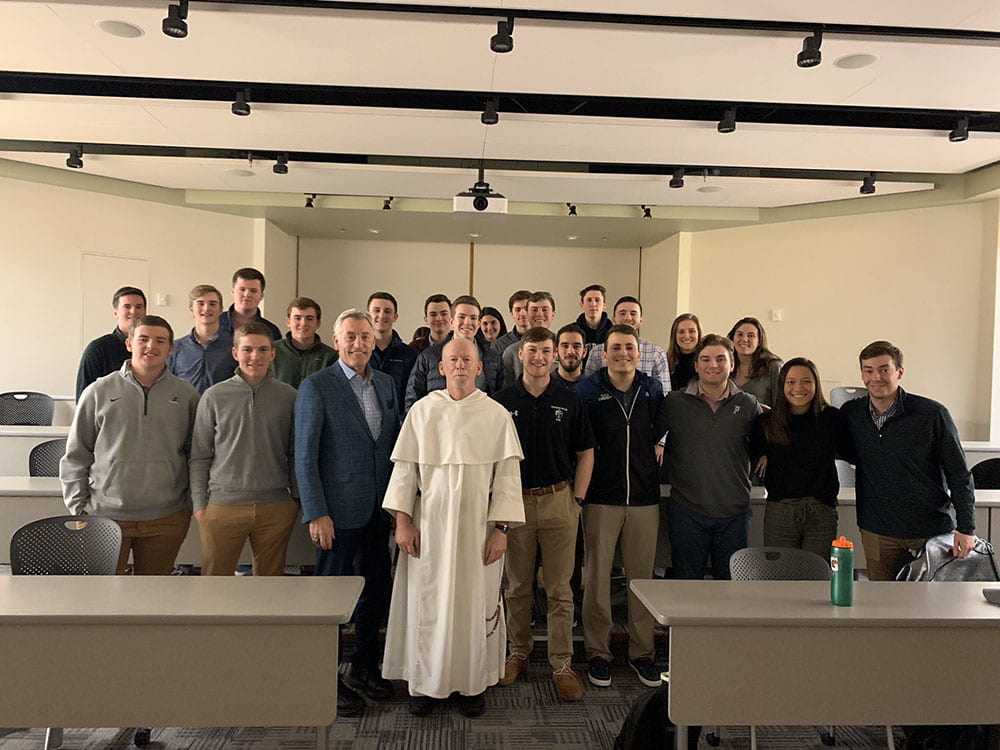
Fr. Shanley’s role at PC is far-reaching; however, and sports are a big part of his responsibilities. Fr. Shanley talked about the importance of “hiring smart people and letting them do their own thing.” He also spoke to the fact that he believes that if he needs to get into the “weeds” about someone, then that person is not doing their job. Although, he admits that has never found this to be the case at PC.
Next, Fr. Shanley and Driscoll were asked about both the history of the Big East and the realignment of the conference. The Big East originated in 1979. Fr. Shanley discussed the vision of Dave Gavitt, the former athletic director at PC at the time, and how he saw that northeast basketball was going to fall behind other major conferences unless something was done.
Indeed, in the early stages, many colleges wanted to join the Big East, and the conference had great success. However, the demise of the conference in past 10 years came as many of the big schools left to go to football conferences where all the revenue was.
Fr. Shanley spoke about the meeting at St. John’s University where all of the schools in the Big East got together to discuss how to fix this problem. At the meeting, it was decided that the Big East was going to “chart our own path individually of the football schools.”
A unique opportunity arose with the arrival of Fox Sports 1 and their need for a polished basketball product. The match between the conference and TV broadcaster ended up being perfect, as the Big East Conference received a 12-year contract with Fox which has “been a blessing,” according to Fr. Shanley.
Driscoll added that they were “in the right place at the right time” and “we went back to our roots” regarding the realignment of the Big East. The desire for schools to get into the Big East skyrocketed as presidents and athletic directors bombarded Fr. Shanley and Driscoll with calls to join the Big East.
Being able to play at Madison Square Garden for the Big East Tournament was also a huge boost for the conference. Both Shanley and Driscoll referred to it as “the Mecca,” saying the ability to have a long-term deal with MSG as the only conference in the country to play at the Garden was very important. Many major conferences still want to play at MSG, but the Big East is still the only conference able to do so, and that is huge from a marketing standpoint for the conference.
Fr. Shanley and Driscoll, were very excited to answer members’ questions about their role in forming the Big East Conference, and both believe the conference is in very good hands for years to come.
PCI: Should Students be Allowed to Storm the Court After Upsets?
by The Cowl Editor on February 27, 2020
Sports
Yes, They Should Be Allowed To
by Gavin Woods ’22
Sports Staff
In light of the recent Providence College Men’s Basketball Team victory over Seton Hall University on Feb. 15, many are questioning whether or not student spectators should continue to storm the court. However, I do not think that this instance should be representative of the policy. Storming the court after a big win is a staple of the college basketball experience and should be continued.
Part of what makes the Dunkin’ Donuts Center such a difficult arena for opponents to face is because the PC crowd is so vocal. The best way to measure a crowd’s effect on the game is to look at how it affects the home team’s performance. Head coach Ed Cooley commented, “I’d be remiss if I didn’t talk about how great our crowd was tonight. Our crowd helped us win this game, no question about it. I don’t know what they fed them in here tonight.”
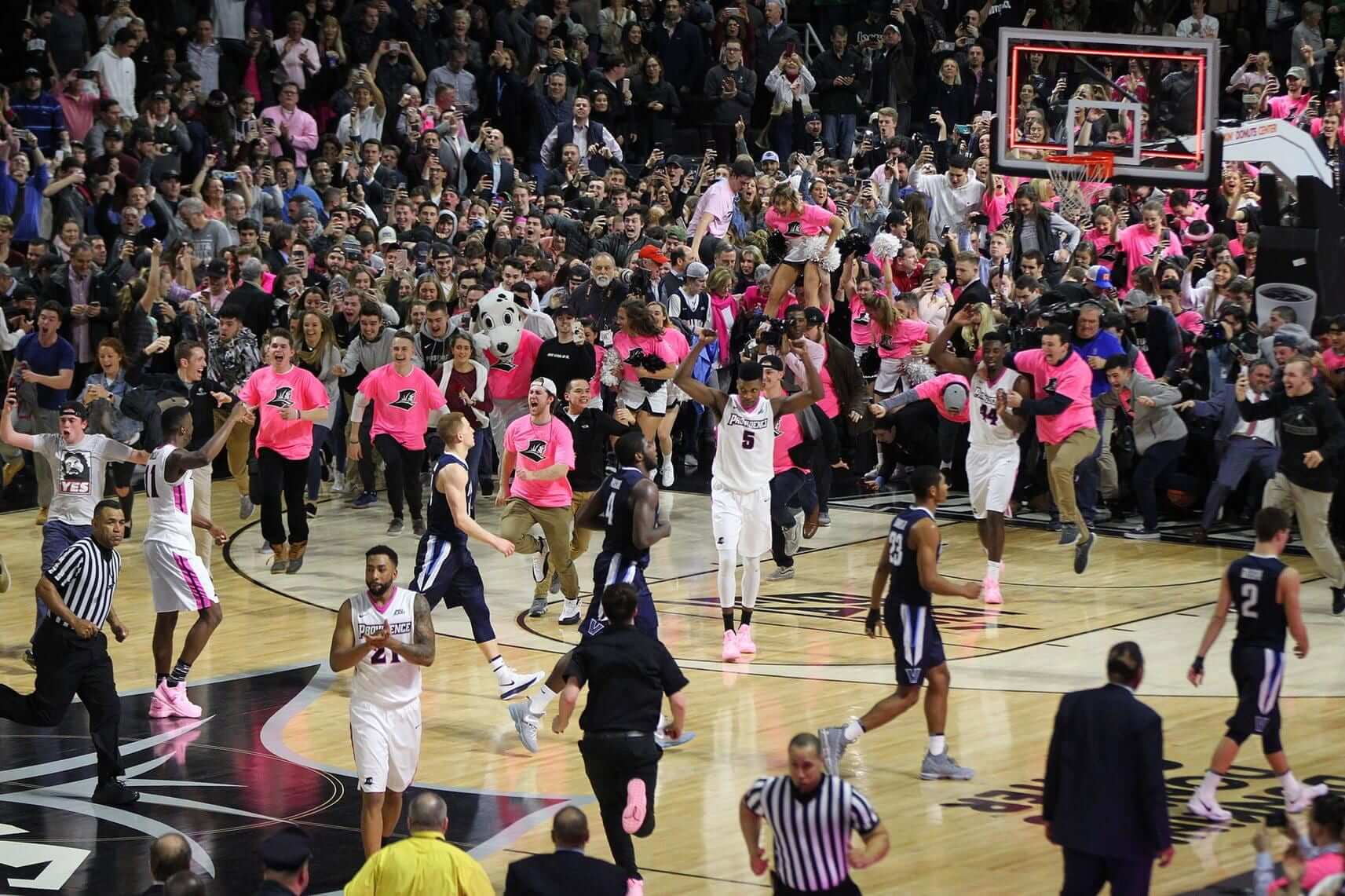
It was exactly this intense excitement that the student section showed for their Friars that made them want to celebrate this conference win. Coach Cooley offered his perspective on the premature court storming: “I know it got out of hand at the end when they thought the game was over. Hopefully we won’t get fined for that. But if we do… I’ll pay for it. It’s worth it if we’re winning.”
When Alpha Diallo ’20 was asked how the sold-out crowd at home made him feel, he replied, “It was a great moment. The storming the court is always fun, especially for the young guys. It was a great atmosphere and we fed off of it for sure.”
Banning the act of court storming would discourage the crowd’s participation. Big wins do not happen often and when they do, students should have the opportunity to celebrate with their fellow classmates. The student body should be free to celebrate with the team however they see fit, so long as it does not interfere with the game as it did this past Saturday.
Storming the court is a longstanding college tradition that has, in some cases, been deemed an essential part of the college experience. To deny students the opportunity to do so takes away the ability for students to make memories of a situation they may never find themselves in again. To put a limit on their celebration is to essentially remove students from the game, which already confines them to mere spectators. Lastly, to reiterate what Diallo said, storming the court not only energizes the fans, but also the players because they feed off the excitement in the stadium and it can be a motivating factor for the team going forward.
Therefore, storming the court, when done correctly, should be allowed because both the fans and players love it. It is a great sports tradition that brings players and fans together.
No, It’s Too Dangerous
by Eileen Flynn ’20
Sports Staff
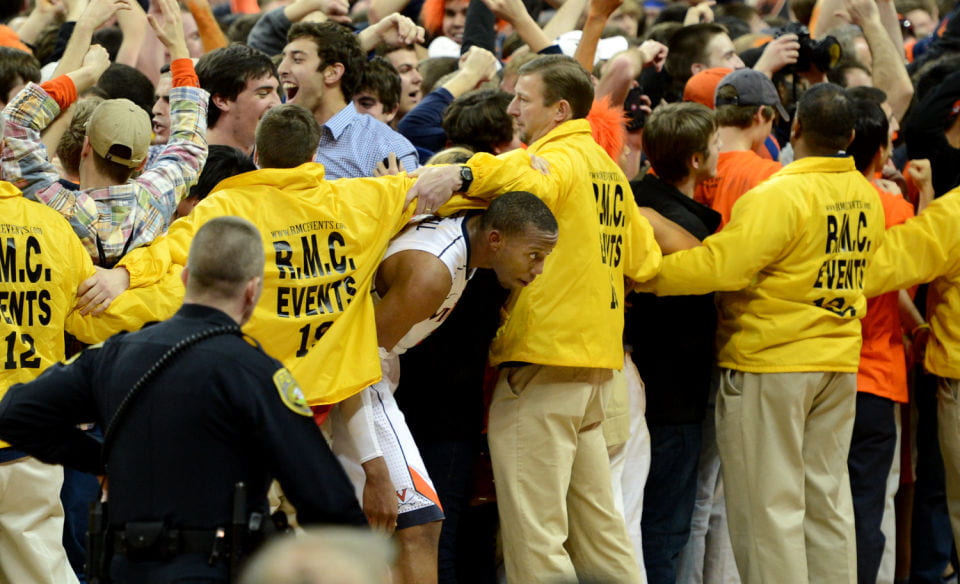
With unexpected outcomes comes unexpected celebrations, and for college basketball an upset at home usually calls for the students to storm the court at the final buzzer.
What might seem like harmless excitement at first can actually turn into mayhem on the court. In addition, large fines can be placed on the institution itself. Some might argue to “let the kids play,” but there have been incidents in the past that should convince any school or league to ban fans from storming the court, with no exceptions.
Student fan sections during the game are expected to get rowdy. Indeed, they are responsible for cheering their team on when it is on a roll, as well as in charge of picking their team up when they need some momentum. Chants, signs, and themed outfits are all encouraged and express the crowd’s commitment to their school’s team. Rushing the court, however, creates a dangerous situation for students and players that can be completely avoidable.
One of the worst cases was in 2004, when a promising high school basketball player, Joe Kay, helped his team beat their rival school with a game-winning dunk. The high school students, who had watched college court storms all their lives, were ready to celebrate the same way. Unfortunately, Kay was a victim of the chaos, being thrown to the ground before suffering a stroke which would later paralyze him on his right side.
The Southeastern Conference and the Big East have started to implement fines for teams that continue to storm the court even after being advised not to do so. However, this does not seem to stop students. A University of South Carolina announcer warned the Gamecock fans prior to their upset victory against University of Kentucky that if the students were to storm the court, the school would be fined up to $50,000. The students charged the court anyways, leaving their school to pay the large fine.
Providence College students are all too familiar with rushing the court after their basketball team comes up with an unexpected win. This season, the team was 0.2 seconds away from beating Seton Hall University, who was sitting first in the Big East and ranked tenth nationally. With an unexpected foul, the students started rushing the court even though the game had not yet ended. Embarrassing the team and the school, the students took their time walking off the court. Providence College was issued a $5,000 fine for the unnecessary fiasco.
How do you distinguish which victory deserves a court storming? Many PC students decided the game was not worthy of storming the court and stayed in their seats at the end of the game, which was a good thing.
Storming the court is not going to get any safer, it embarrasses the school, and in the end, is just not worth it.
Editor’s Corner: New NCAA Rule Can Be Harmful to Student-Athletes
by The Cowl Editor on November 7, 2019
Sports
by Meaghan Cahill ’20
Sports Coeditor
The issue as to whether or not college athletes should get paid has been a heavily debated topic in both the sports and academic worlds. On Oct. 29, the NCAA started the process that will answer the question once and for all.
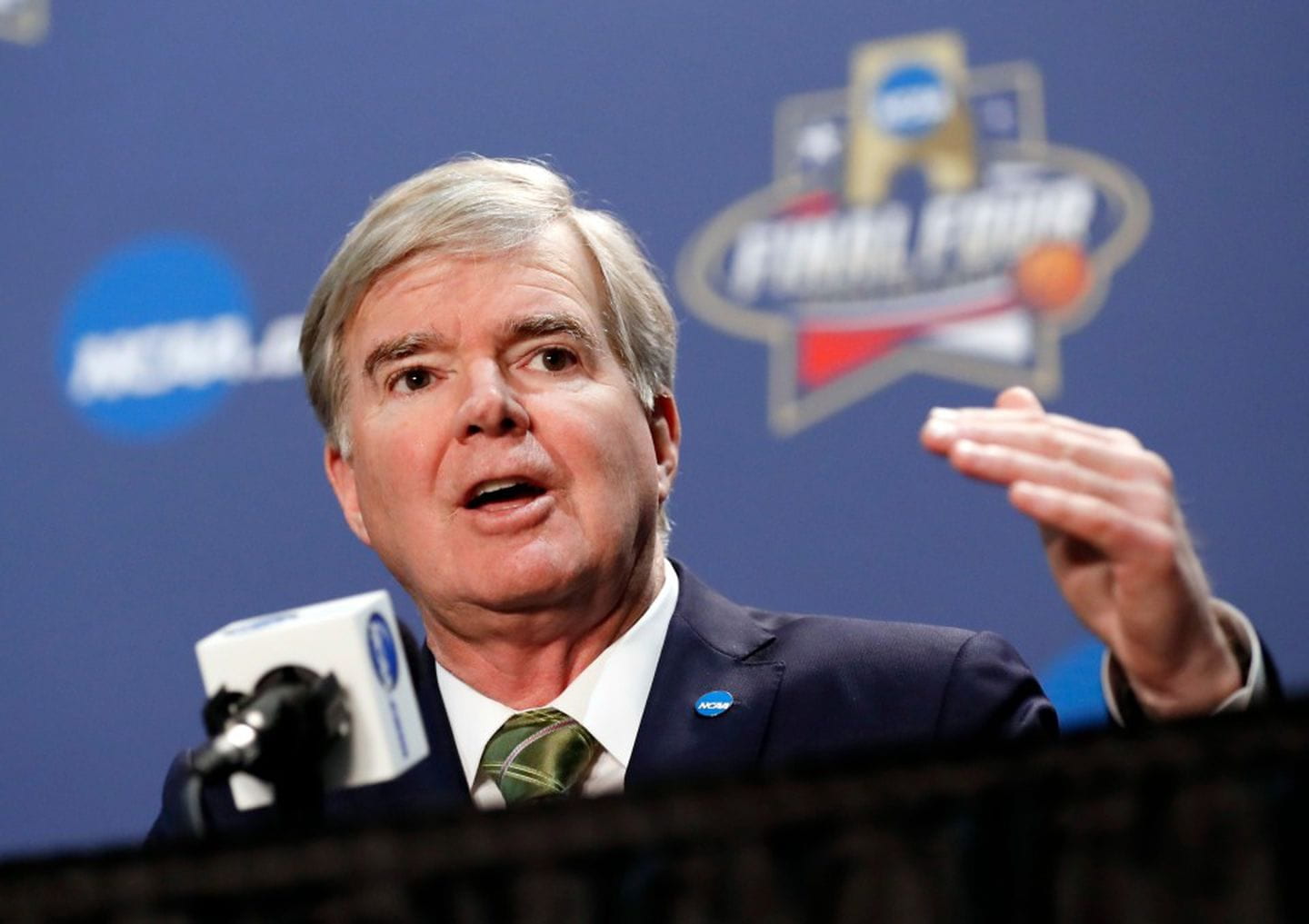
The NCAA’s top governing board voted unanimously to permit the 460,000 students participating in collegiate athletics the opportunity “to benefit from the use of their name, image, and likeness in a manner consistent with the collegiate model.”
This decision comes just weeks after the NCAA called California’s Senate Bill 206 “Fair Pay for Play Act”—which calls for student-athlete compensation and representation from both state and private universities—“unconstitutional” and an “existential threat.”
On the initial motions to put this new rule into effect on college campuses across the country, NCAA President Mark Emmert said, “The board’s action…creates a path to enhance opportunities for student-athletes while ensuring they compete against students and not professionals.”
Adamant that the student-athletes are not to become employees of the schools at which they play, the NCAA’s new rule only allows student-athletes to enter into contracts for merchandise and endorsements; they are in no way allowed to be paid for their athletic performance in efforts to keep up with the amateur aspect of college athletics.
However, it can be argued that despite the attempts made by the NCAA, all amateur aspects of play have been wiped off of the table with an alarming force, and, while the intent is to enhance the student-athlete experience, the new law will become nothing more than a hinderance on their collegiate career.
To expand upon Emmert’s words, student-athletes will be competing against professionals. Typically, the athletes that big-name companies look to endorse and create merchandised gear for are the ones who they believe have the best shot at a professional career. No longer will athletes be looked at as amateurs, but, rather, the ones who are able to attract deals off of their name, image, and likeness will be singled out more so than they most likely would have been prior to an endorsement deal.
Due to this professional mentality that will naturally arise, the experience of the student-athlete is put at risk because the pressure on them to perform well will only be intensified. While they may not be making deals based on their actual play, it is their playing skills that will get them recognized by any type of company. There is a great risk for high levels of stress amongst student-athletes because now, not only will they have to perform well for the team to win, but they will have the added pressure of performing exceptionally well each game so that they do not lose whatever endorsement deals they may have struck.
While much of the law still has to take a clear, definitive shape, there are already too many issues that can (and will) arise with its implementation. Instead of conforming to California’s Senate Bill, the NCAA should maintain their initial response and look to protect all of their student-athletes from the dangers that this new law can impose on them.
The Cowl’s Second Annual March Madness Bracket
by The Cowl Editor on March 21, 2019
Sports
The Cowl’s Sport Staff Has The Tar Heels Upsetting Rival Duke
by Jack Belanger ’21
Sports Coeditor
Members of the sports staff came together to create The Cowl’s Second Annual March Madness Bracket. Thanks to Cam Smith ’21, who gave his analysis for the South Region, Scott Jarosz ’21 for the East Region, and Sullivan Burgess ’20 for the West Region, and to everyone for helping make the picks. I took on analyzing the Midwest Region, Semifinals, and Finals.
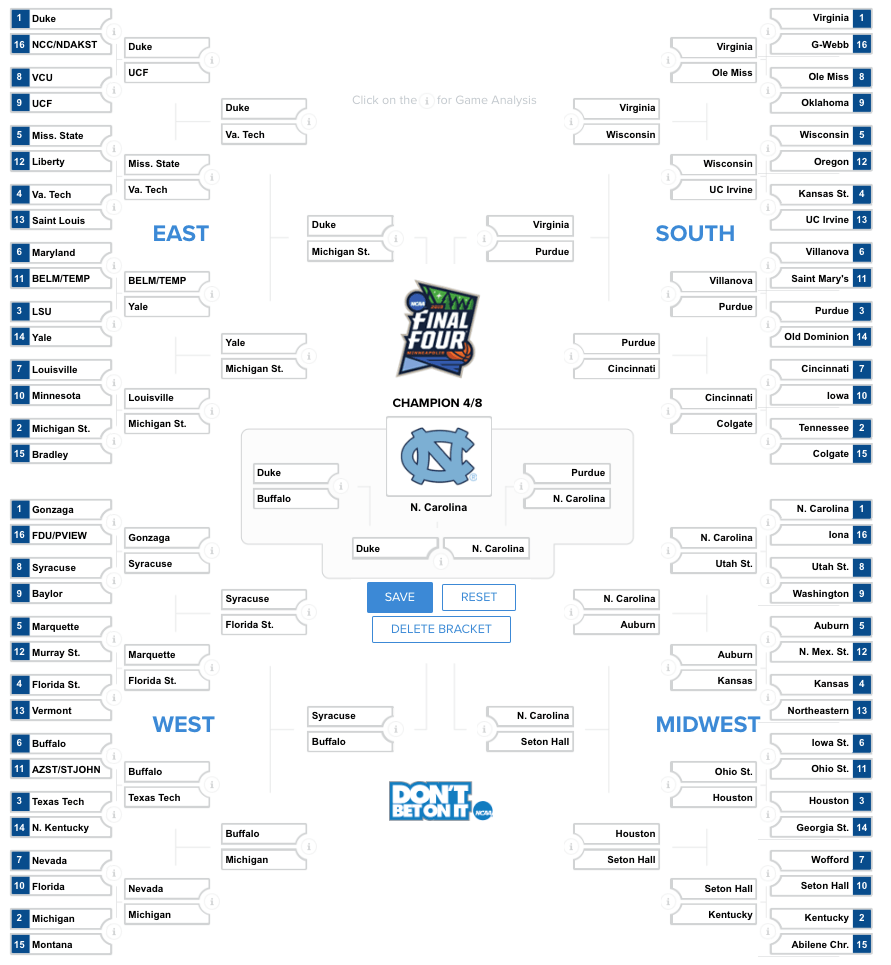
South Region:
The South Region features the University of Virginia as the top dog, and the Cavaliers will be looking for revenge following last year’s disastrous first round loss to the University of Maryland Baltimore County. Also in the South is the University of Wisconsin and Purdue University, two veteran squads poised to make deep runs. The Boilermakers will in fact ride star shooting guard Carsen Edwards all the way to the Final Four, as they will knock off top-seeded Virginia in the Elite Eight. This minor upset may very well be overshadowed by the two major ones set to take place in the first round. The University of California Irvine, coming into the tournament scorching hot and on a 16-game win streak, will take down Kansas State University, a team that will likely be without All-Big 12 forward Dean Wade. Not to be outdone, the Colgate University Raiders out of the Patriot League will stun the University of Tennessee, an upset that is sure to bust brackets across the country.
East Region:
The East Region features some very intriguing matchups, as well as numerous potential upsets. One such matchup that could be interesting is the University of Maryland versus Belmont University. Coming off an 80-71 win over Temple in its First Four game, Belmont is a team that should not be taken lightly. The Bruins boast a record of 27-5 and could very well upset Maryland in the first round. Another East Region matchup worth watching is LSU vs. Yale. Yale has played well as the underdog in the past, beating #5 seed Baylor in a first-round game back in 2016. If Yale can upset LSU, it can very well take down Belmont and advance to the Sweet 16. Although Yale could make a run in the East, it is hard to see them upsetting Michigan State. For the matchup in the East Region Final, we have Michigan State and Duke. Given that Zion Williamson is back and fully healthy, it is hard to see Duke being stopped by anyone in the East.
West Region:
In the West Region of the March Madness Bracket, Buffalo University, the sixth seed, will find their way into the final four facing against the #1 Duke University. Buffalo finished first in the MAC East at an overall record of 31-3 and are highly favored this year to even win it all. Syracuse University will also find a spark that usually occurs when they enter the March Madness tournament and will make a run until they face Buffalo in the Elite Eight. One highly anticipated matchup is Marquette University and Murray State; while Murray State may have the best player in college basketball, Marquette has the better team that will defeat Murray State, but will lose to the ACC Championship runner-up Florida State University. Lastly, Michigan University, who has been hot all season, will come to face Buffalo in the Sweet 16, yet Buffalo will find themselves favored to make their way to the Final Four.
Midwest Region:
With the likes of the Universities of North Carolina, Kansas, and Kentucky, the Midwest Region is full of blue-blood programs that know how to make deep runs into the Final Four. Out of the three programs, the Tar Heels have the easiest road to the Final Four and are one of the most balanced teams in the country. After winning their first game, Kentucky is going to fall to a red-hot Seton Hall University team, who took Villanova to the final seconds of the Big East Finals and had a chance to win the game at the buzzer. A potential first-round upset to look out for is Ohio State University over Iowa State University. The Buckeyes played in a much tougher conference this year, while Iowa States’s defense has been questionable. Also, first-year head coach Chris Holtmann had plenty of experience in the tournament when he coached for Xavier University.
Semifinals:
Syracuse will force the Blue Devils to shoot the three, which will keep the game close early, but Duke has simply too many weapons to be stopped in the second half. Once Duke begins to build a lead, Syracuse is going to have a tough time keeping up to make shots.
The other Semifinal game will feature a back and forth game between two teams who can score in a variety of ways. While Edwards will do everything he can to keep Purdue in the game, the Tar Heels will dominate inside the paint which will prove to be the difference, sending UNC to the finals.
Finals:
Duke may be the favorite to win it all, but UNC has been their kryptonite this season. The Tar Heels have beaten the Blue Devils twice during the regular season and played tough in the ACC finals. The Tar Heels have enough size inside to match up with Williamson and slow down Barrett and Reddish on the outside. Do not be surprised when you see UNC win their second title in three years.
PCI: Who Will Win the Final Four’s Most Outstanding Player?
by The Cowl Editor on March 21, 2019
Sports
Kyle Guy of Virginia Will Take the Award
by Scott Jarosz ’21
Sports Staff
One obvious frontrunner to win this year’s Final Four Most Outstanding Player, is certainly Duke University’s Zion Williamson. The 6’7”, 285-pound player attracted the eyes of basketball fans nationwide when videos of his athletic dunks in high school games went viral. In his first season at Duke, Williamson has averaged 22.1 points per game along with 8.9 rebounds per game.
While Williamson has excelled in his first season of collegiate basketball, he has shown some signs of immaturity as well as inconsistency. The same goes for the rather young Duke basketball team as a whole.
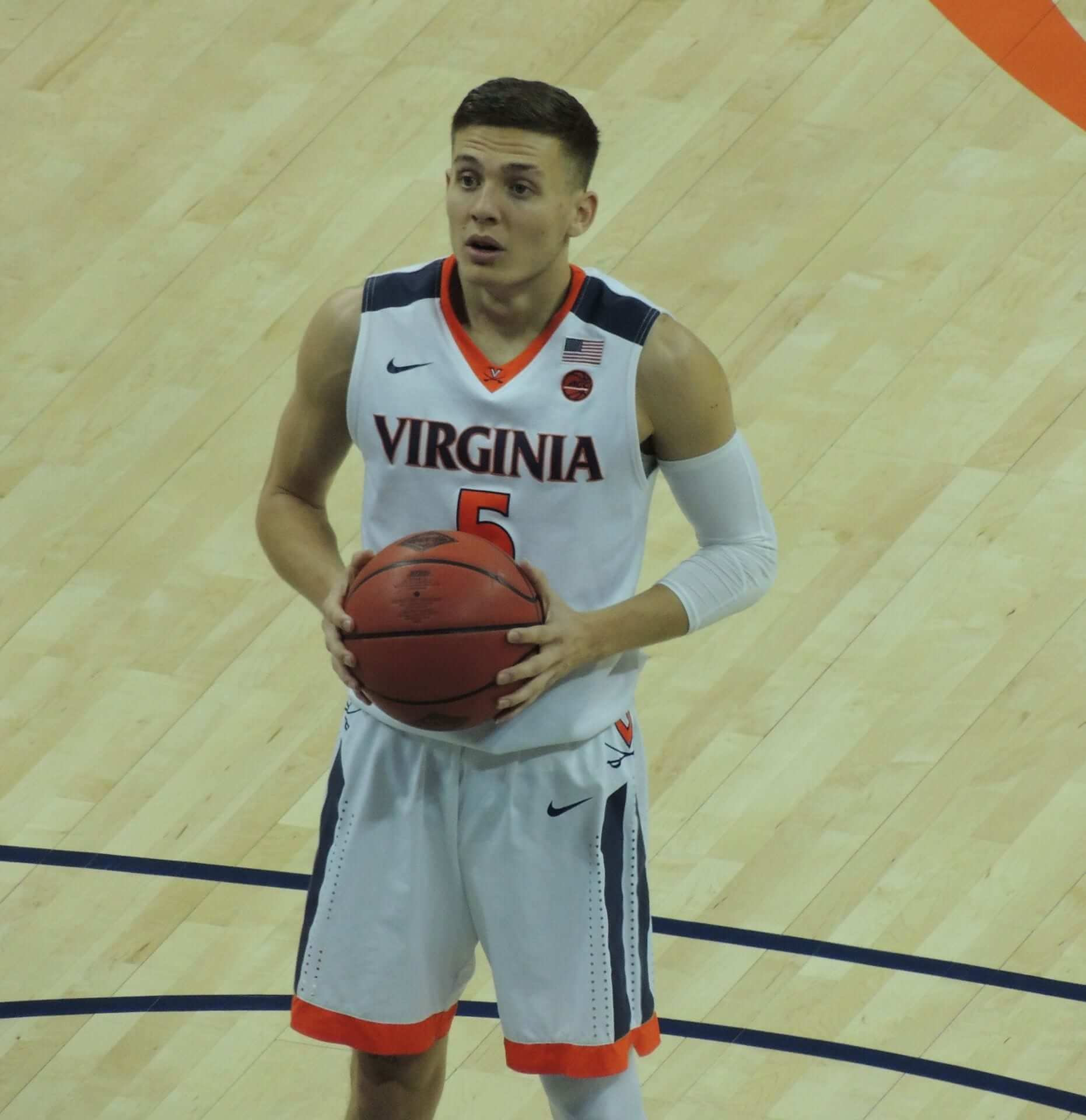
However, one experienced player who has been a consistent leader for his team is University of Virginia’s Kyle Guy, a veteran guard who has been truly playing up to his full potential this year. With his experience and excellent ability to score points, Guy will ultimately be named the 2019 Final Four’s Most Outstanding Player.
In the 2018-19 season, Guy has averaged 15.6 points per game, which is the highest on his team. While this figure may not be as impressive as Williamson’s 22.1 points per game, Guy’s presence has arguably had a larger impact on his team’s overall success. Virginia sits atop the leaderboard of the Atlantic Coast Conference with a record of 29-3 overall and 16-2 in conference. Behind Virginia on the leaderboard is the University of North Carolina and Duke. Virginia is currently ranked as the #2 team in the country, and despite a 59-69 loss to Florida State University in the ACC Tournament, they have shown no signs of slowing down heading into the NCAA Tournament. Virginia has been selected as the #1 seed in the South Region for the NCAA Tournament, and they are scheduled to play 16-seed Gardner-Webb on March 22 in Columbia, South Carolina. The question remains, what is guard Kyle Guy capable of doing that could not only lead his team to an NCAA Tournament victory, but will earn him the title of the Final Four’s Most Outstanding Player?
PCI: Who Will Win the Final Four’s Most Outstanding Player?
by The Cowl Editor on March 21, 2019
Sports
R.J. Barrett Will Lead to Duke to the Finals and Secure the Award
by Cam Smith ’21
Sports Staff
The name Zion Williamson has ruled over national headlines for the past two years, as the basketball prodigy went from dominating high school gymnasiums to hushing hostile crowds in the NCAA. With his top-seeded Duke University Blue Devils poised to make a run at the National Championship, it would seem reasonable to pencil in Williamson as the tournament’s most outstanding player. The only issue is that Williamson already shares the court with the man who will win the Most Outstanding Player award, and his name is R.J. Barrett.
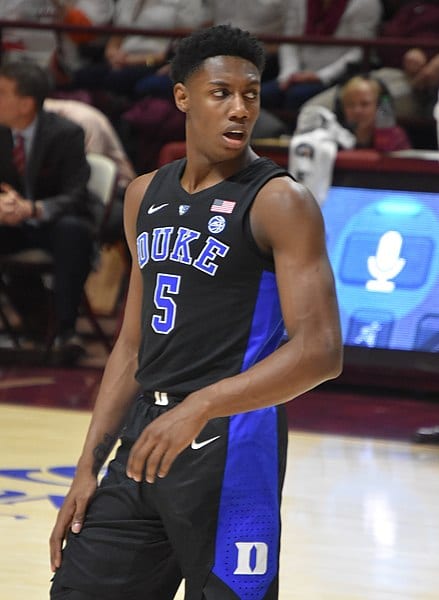
Barrett entered his collegiate career as a number one recruit, and he lived up to that billing even in a season where he was often overshadowed by the high-flying antics of his Blue Devil teammate. Barrett led Duke in scoring, averaging 22.9 points per game while grabbing 7.5 rebounds per game, second only to Williamson. Barrett set an ACC record for 20-or-more-point games, compiling a whopping 23 of them while also being the only player in a power conference to average more than 20 points, seven rebounds, and four assists.
His regular season dominance was capped off with a stretch of jaw-dropping performances to end the ACC schedule, games that were played without Williamson, who was out due to a knee injury. Barrett dropped 33 points on the University of North Carolina on Feb. 20, and three days later, he followed that up with a 30-point performance in a win against Syracuse University. He would go on to average 26.1 points in the six games without Williamson.
In the tournament, teams will likely focus in on Williamson, sending double teams his way, allowing Barrett to use his off-ball ability to get open lanes to the basket where he is a talented finisher. The return of Williamson will also take the pressure off Barrett on the boards, permitting him to get out in transition quicker, which will play to his strengths as a masterful runner of the fast break. All of these factors will likely contribute to some tremendous performances by Barrett, even though he has already proven he can put up big numbers without the presence of his esteemed teammate.
Barrett led Duke in scoring a team high 19 times, and on the best team in the country, he is going to have plenty of chances to continue to do just that as Duke plans on making a deep run. Everything considered, Barrett will add yet another accolade to his résumé after winning the NCCA Tournament Most Outstanding Player award.
Friars Come Up Short at Madison Square Garden
by The Cowl Editor on March 21, 2019
Sports
Providence College Misses NCAA Tournament for First Time in Six Years
By Sullivan Burgess
Sports Staff
The last week has been quite eventful for the Providence College Men’s Basketball Team. From the Big East Tournament in Madison Square Garden to the National Invitational Tournament at the Dunkin’ Donuts Center, the team experienced ups and downs that ultimately closed the season, which had also been a rollercoaster.
On Wednesday, March 13, the team, ranked as the eighth seed for the Big East Tournament, faced conference rivals Butler University. After a close first half, the Friars began to pull away and defeat Butler 80-57. Shooting 55.8 percent from the field and 47.8 percent from the three point line. The last time the team shot this well was in 1993 against the University of Connecticut.
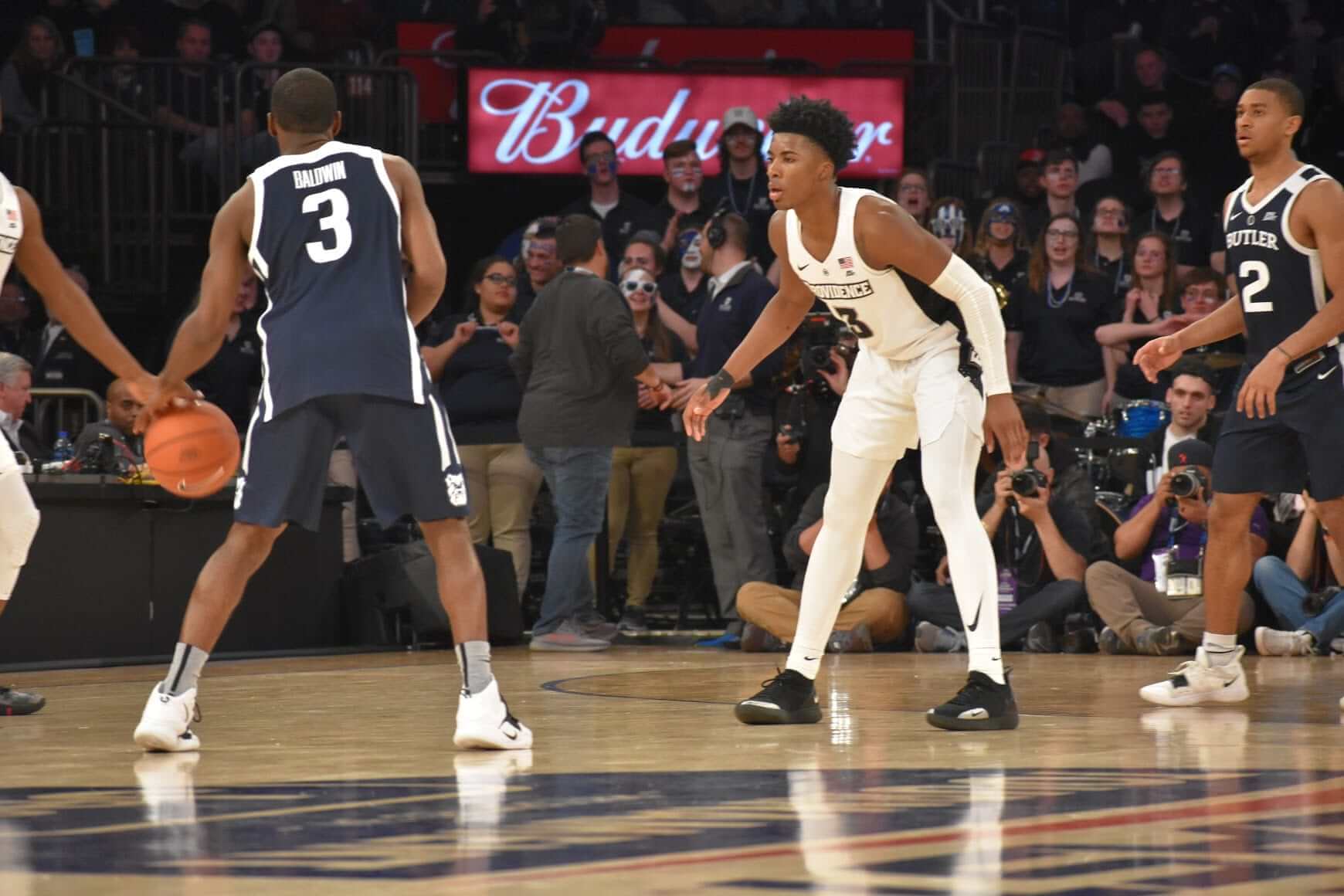
Four players achieved double digits in points during this game. The leader was guard Maliek White ’20. White had a consistent and career-high 19 points providing a spark throughout the entire game, being the team’s go-to player. Alpha Diallo ’20 also scored 18 points with two threes, David Duke ’22 recorded 16 points shooting 6-8 from the field and 2-3 from the three. Lastly, Isaiah Jackson ’19RS, came off the bench with another performance of clutch shooting for 13 points.
The next day for the first game of the quarterfinals, the Friars had to face the top-seed team of the tournament and #23-ranked team Villanova University. While the Friars kept the pace for most of the game, they ultimately failed and lost the game, 62-73.
The team was led in scoring by Nate Watson ’21 with 15 points, and more double digit scoring from Diallo and Jackson. After the game, Coach Cooley said to the press, “Our youth and mistakes on the floor came back to bite us all day…We play hard as hell and are right in these games and then you can’t score enough. It’s a microcosm of our season.”
Villanova would go on to win the Big East Tournament, earning the title of back to back champions of the tournament and guaranteeing their place in the 2019 March Madness NCAA Tournament. Meanwhile, back in Providence, the Friars had to wait and watch for their placement in either the March Madness Tournament or the NIT.
Cooley was open to the media about the possibility of being selected for the NIT, stating, “We earned exactly what we got this year. If we get into the NIT, I’ll be excited about it because I still want to play with this young group. If we don’t, we’ve got to look ourselves in the mirror. We deserved to be in that 8-9 (Big East) game. That was our body of work.”
Four Big East schools were selected for the March Madness tournament, including Villanova, Seton Hall University, Marquette University, and St. John’s University. Later that night, the Friars were selected to host the University of Arkansas as the fourth seed for the NIT hosted at the Dunkin’ Donuts Center.
The day came on Tuesday night, and sadly the Friars’ struggle throughout the season came back to haunt them as they fell to Arkansas, 72-84. While White put another career high of 19 points, the team shot 38.7 percent from the field goal, and 13 percent from the three point line.
The back and forth season came to a close, leaving the team at a record of 18-16. It was certainly not the season the coach or players had hoped for, but the pieces are in place for the team to be successful next season.
Women’s Basketball Falls in Big East Semifinals
by The Cowl Editor on March 21, 2019
Sports
Friars Finish Season with Winning Record; Secure Spot in WNIT
By Thomas Zinzarella ’21
After an impressive regular season, the Providence College Women’s Basketball Team headed to Wintrust Arena in Chicago, Illinois to test their fate in the Big East Tournament. The official seeding was not set until the final weekend of Big East play. The Friars earned the #7 seed in the tournament and were faced with the task of the #10 seed, the Xavier University Musketeers.
The Friars were able to down the Musketeers by a final score of 70-62 to advance to the Big East Quarterfinals. The Friars held a 12-point lead at half but, the Musketeers kept pursuing the Friars, cutting the lead within six at one point before the Friars went on a 6-0 run and ultimately won the game. The Friars were led in scoring by Olivia Orlando ’21 who caught fire for a career high 18 points (9-11 FG). Maddie Jolin ’19 poured in another 15 points for the Friars.
The keys to the win were the Friars’ ability to control the glass and also only turn the ball over eight times which was the second lowest total of the season. “We have very little chance tomorrow if we turn it over a bunch like we’ve done the two times we’ve played DePaul,” stated Providence Head Coach Jim Crowley. “Now, they force it, they play at a really high pace, but we have to be better taking care of the ball. We’re fairly efficient offensively when we do take care of it.” The Friars’ win over Xavier was their first victory in the Big East tournament since 2001.
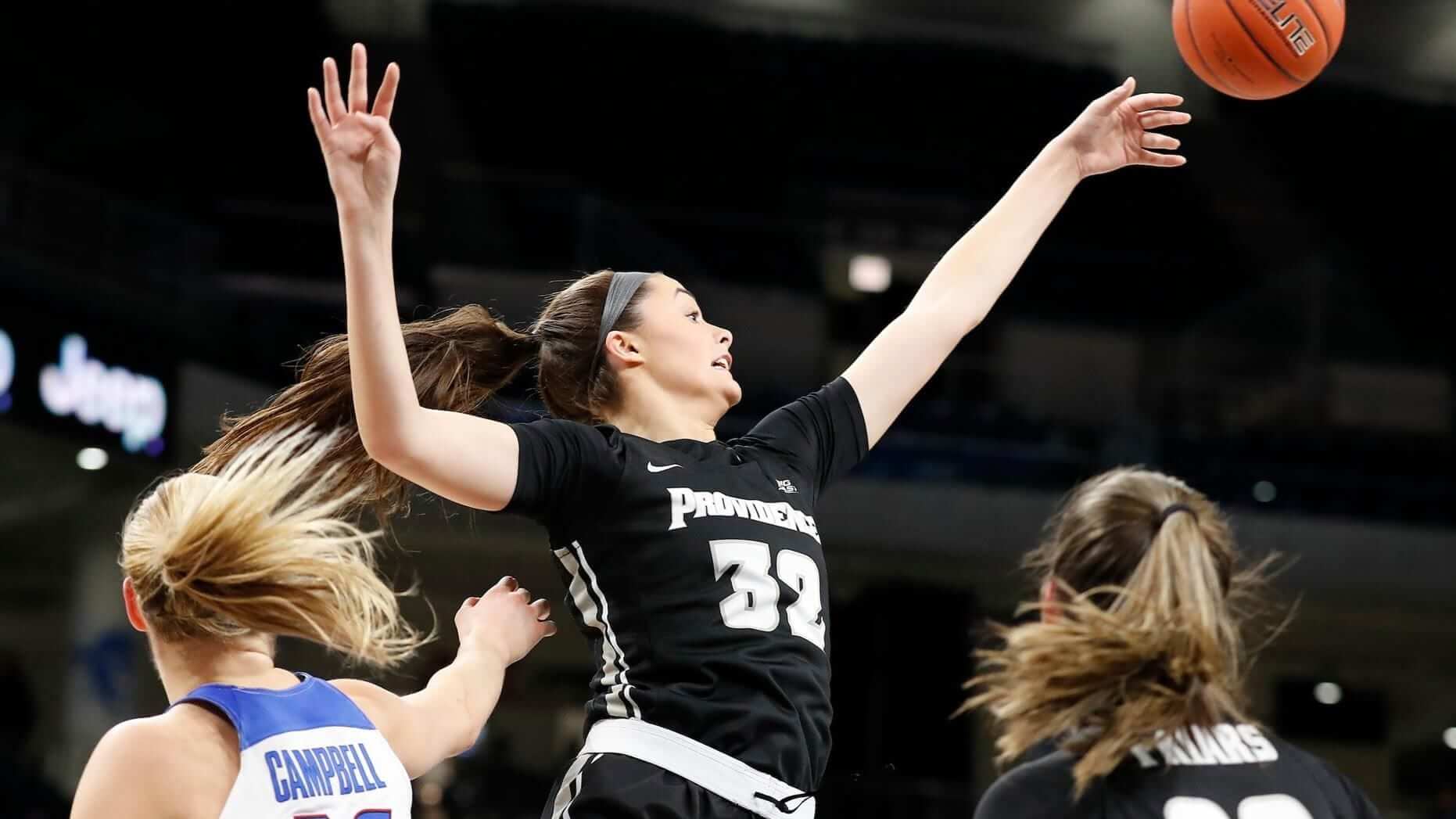
The Friars faced the future Big East Champs, the DePaul University Blue Demons. The Friars once again fell early as they trailed 9-20 after the first quarter. At one point, the Blue Demons were on a 12-0 run before the Friars took a timeout. The Blue Demons continued to roll in the second quarter where the lead was pushed up to 19 points before the Friars used a run of their own to close it within 12. In the second half, the Friars closed the defecit to single digits halfway through the third quarter before the Blue Demons were able to close things out and defeat the Friars 85-60. Mary Baskerville ’21 scooped up 10 of her team high 17 points in the 4th quarter. Each squad finished the game with 19 turnovers but benefited DePaul. “Their shot-making is exemplary, it’s outstanding, and they really put a lot of pressure on you because you make a mistake and they make you pay, and they did so to us,” Crowley commented after the game.
Although this loss ended their regular season and conference play, Coach Crowley alluded to some hope for postseason play. “Having coached in the WNIT a few times, we think that’s an amazing opportunity and we’d be honored to be a part of that.”
On Monday night, the Women’s National Invitation Tournament field was announced, and the Friars were able to secure a bid. This is the Friars’ first postseason appearance since 2010. The Friars will host the University of Hartford Hawks on Thursday at 7 p.m. in Alumni Hall.
Who Should Win the Naismith College Player of the Year?
by The Cowl Editor on February 7, 2019
Sports
Ja Morant will Win the Naismith Award
by Thomas Zinzarella ’21
Winning a national championship is always a top achievement for a college basketball player. But being named the best player in the country? That accolade may be even more special. The reigning award-winner is Jalen Brunson from Villanova University who was able to achieve both.
Every year it is a challenge to predict who will be the Naismith College Basketball Player of the Year because there are so many intriguing candidates. On this year’s list, players such as Zion Williamson, Grant Williams, Markus Howard, and Rui Hachimura are all vying to be the best player in all of college basketball.
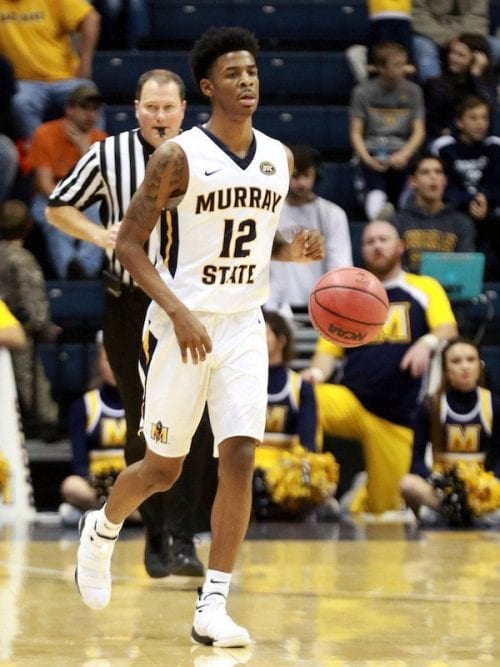
A player who may not be known to many casual college basketball fans but is well-known to hardcore fans is a 6’3” sophomore guard from Dalzell, South Carolina. Ja Morant plays for the Murray State University Racers, a team in the Ohio Valley Conference that has strong history of being one of the best mid-major teams in the country.
Murray State has had its success with strong guard play with Cameron Payne and Isaiah Canaan being the most recent NBA draftees. This season, Morant is averaging 24.1 points per game, 10.3 assists per game, and 5.6 rebounds ber game. Morant was not unknown coming into this year. CBS Sports writer Matt Norlander had Morant in his pre-season top 101 college basketball players.
His number really started to buzz when he dropped 25 points and 7 assists against a ranked Auburn University Tigers squad. Morant also put on a show against University of Alabama, where he scored 38 points on 16-29 shooting and tallied nine rebounds and five assists. Morant’s legacy really started to come full circle when he made a Vince Carter-esque dunk earlier in the year on a defender that surfaced on social media.
And yet, many college basketball fans are wondering why such a talented sophomore guard chose Murray State. In fact, his recruiting story is an interesting one. As a high school sophomore, Morant was playing with freshman Zion Williamson on a local South Carolina AAU team. Williamson’s fame took off when he went to the more prestigious Adidas circuit and Morant would stay with his local AAU team. Murray State “accidentally” fell upon Morant when they were recruiting another player. Before Murray State finally offered a scholarship, the only other schools involved in his recruiting were South Carolina State University, University of Maryland Eastern Shore, and Duquesne University. After Murray State offered him, more schools began to take a look at Morant. Soon in-state rivals Clemson University and University of South Carolina began recruiting him. In the end, a total of 13 schools were actively recruiting Morant, and for good reason.
Murray State head coach Matt McMahon raves about his athleticism and explosiveness but also praised his basketball IQ. Morant leads the country with 10.3 assist per game. Morant has rocketed up NBA mock drafts where many have him as a lottery draft pick, even just behind his former AAU teammate.