
Tag: NCIS
‘NCIS’ Season Three: The Start of the Golden Age of one of TV ’s Biggest Procedurals
by Addie Heffernan '30 on October 22, 2026
A&E - Film & TV
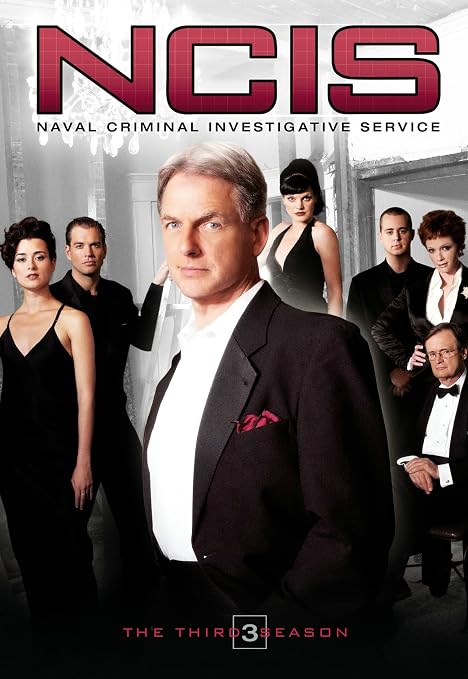
While NCIS is now three episodes into its 24th season, drawing over six million viewers for its premiere, the now-beloved procedural started out with a limited fanbase. The first two seasons, spanning 2003–2005, introduced the world to Special Agent Leroy Jethro Gibbs and his colorful team of personnel and forensic experts: Tony DiNozzo, Kate Todd, Tim McGee, Abby Scuito, and Donald “Ducky” Mallard. While the characters were certainly entertaining and the cases compelling, it wasn’t until the season two finale, when recurring villain Ari Haswari shot Kate on a rooftop, that audiences finally started paying attention to Washington’s Major Case Response Team, which was now grieving the loss of an integral member. Season three marked the beginning of a new era of NCIS, ushering in two new main cast members: Cote De Pablo as Officer Ziva David, the newly appointed liaison, and Lauren Holly as Director Jenny Shephard. Both characters make their first appearances in the first two episodes of season three, “Kill Ari: Part 1” and “Kill Ari: Part 2.”
These first two episodes start off right where season two ended, bringing the audience along for the ride as Gibbs sets out to get revenge for Kate’s murder and foil Ari’s attempts at harming the rest of his coworkers. Ziva is called in to protect her half-brother, Ari, during this cat and mouse game, though she ultimately chooses to save Gibbs instead. Upon the request of the newly appointed Director Shephard, Ziva fills the now vacant spot on the team, becoming Tony’s new partner and using her skills as an assassin to assist the team in the field while learning the finer points of investigative work under Gibbs’s tutelage.
The season finale is just as action packed as its opening, with Gibbs losing his memory and quitting NCIS in the final minutes of the episode, leaving Tony in charge and Ziva, Abby, McGee, Jenny and Ducky reeling. After spending an entire season watching this team slowly become a family, leaving it fractured once more in an intense cliffhanger kept fans on the edges of their seats and ready to tune in that next fall when season four aired.
It is the chemistry of this new team that skyrocketed NCIS in popularity. Ziva and Tony’s instant chemistry began nearly a decade of will-they-won’t-they tension between the pair, and McGee took on a more confident role, no longer the newbie on the team. While the cases provide an interesting backdrop, of course, it’s the Gibbs Kids that steal the show with their banter and wit, which are only enhanced by Gibbs and Jenny, who spend just as much time tiptoeing around each other as they do encouraging the young personnel under them. It is this dynamic that serves as the catalyst for why the show is so beloved, as this team and their formation in season three remain popular even 20 years later and have left a lasting legacy on the franchise itself.
The Start of NCIS: How Season One Laid the Foundation of a Twenty-Four Season Series
by Addie Heffernan '30 on October 1, 2026
A&E - Film & TV
When NCIS premiered in 2003, no one expected it to end up being one of the longest-running procedural shows, spanning multiple spin-offs and preparing to enter its 24th season this fall. Yet, more than two decades later, all of this has proven true, but it wasn’t always this way. The first season of NCIS introduced the Naval Criminal Investigative Service, a real-life government agency in charge of handling cases related to the Navy and Marine Corps, represented on television by a main cast of five. Abby Sciuto, the resident goth and expert forensic scientist, and Doctor Donald “Ducky” Mallard, the medical examiner with an endless stream of stories, support the Major Case Response Team that Special Agent Leroy Jehro Gibbs leads, backed up by Special Agents Kate Todd and Tony DiNozzo.
This close-knit team officially forms in the pilot, where they foil an assassination against the president and recruit Kate, the Secret Service agent accidentally working with them on the case, after Gibbs, Tony, and Ducky manage to hijack the plane and get it to land back in Washington. Kate, a straight-laced agent, manages to mesh with the often chaotic and rule-bending MCRT, and after resigning from her post due to breaking their code of conduct, she is instantly offered a job by Gibbs. Thus, she becomes DiNozzo’s partner and spends the rest of the season with the team solving murders, drug busts, and managing to work around the FBI to crack cases that they can’t. This case-of-the-week style is threaded through all 23 episodes, with each case bringing new suspects and stakes that send our field agents and their support staff into overdrive to solve. Apart from the main team, a few recurring characters are spotlighted, such as rookie agent Tim McGee, who joins as a main character in season two and has stayed with the show since; FBI Agent Fornell, who foils the team just as much as he acts as comic relief; and one of the show’s most notable villains, Ari Haswari. Haswari first appears in the 18th episode of the first season and appears again in the finale, both times attempting to get at Gibbs through kidnapping Kate, who was first taken hostage by him along with Ducky in autopsy and then again on the street. Gibbs comes close to taking him in during the final moments of that episode but ultimately fails, creating a tense plot that weaves itself throughout the rest of the season and continues on for two more years.
This infamous feud highlights one of the most important themes in the season: family, which the team closely resembles despite their sometimes-clashing personalities and high-stakes duties. Gibbs takes up the mantle of father figure for Tony, Kate, and Abby, while Ducky is more of a wise grandfather wielding a scalpel and donning scrubs. This dynamic is what makes the show so beloved even 20 years later, when the team has predictably been through many changes. Despite Kate and Tony bickering more often than not and Gibbs functioning as a gruff coffee addict, this first season functions to emphasize that at the heart of this procedural is a team that fights for each other both in and out of the field, and that strong foundation is why, even decades later, it is still a must-watch.